2.5 × 2.0 × 1.7 m
Printing volume


From digital design to finished marine structures and components, with Large Format Additive Manufacturing (LFAM)

A more sustainable, circular and highly customised marine industry.
We turn digital designs into finished, certifiable marine components and structures without moulds, giving shipyards faster delivery, lower costs and more design freedom.

We re-engineer the component, print it without a mould, finish it to yacht grade and deliver it with a certification path.
No moulds. No printer to buy. Lower manual work.
One party accountable.
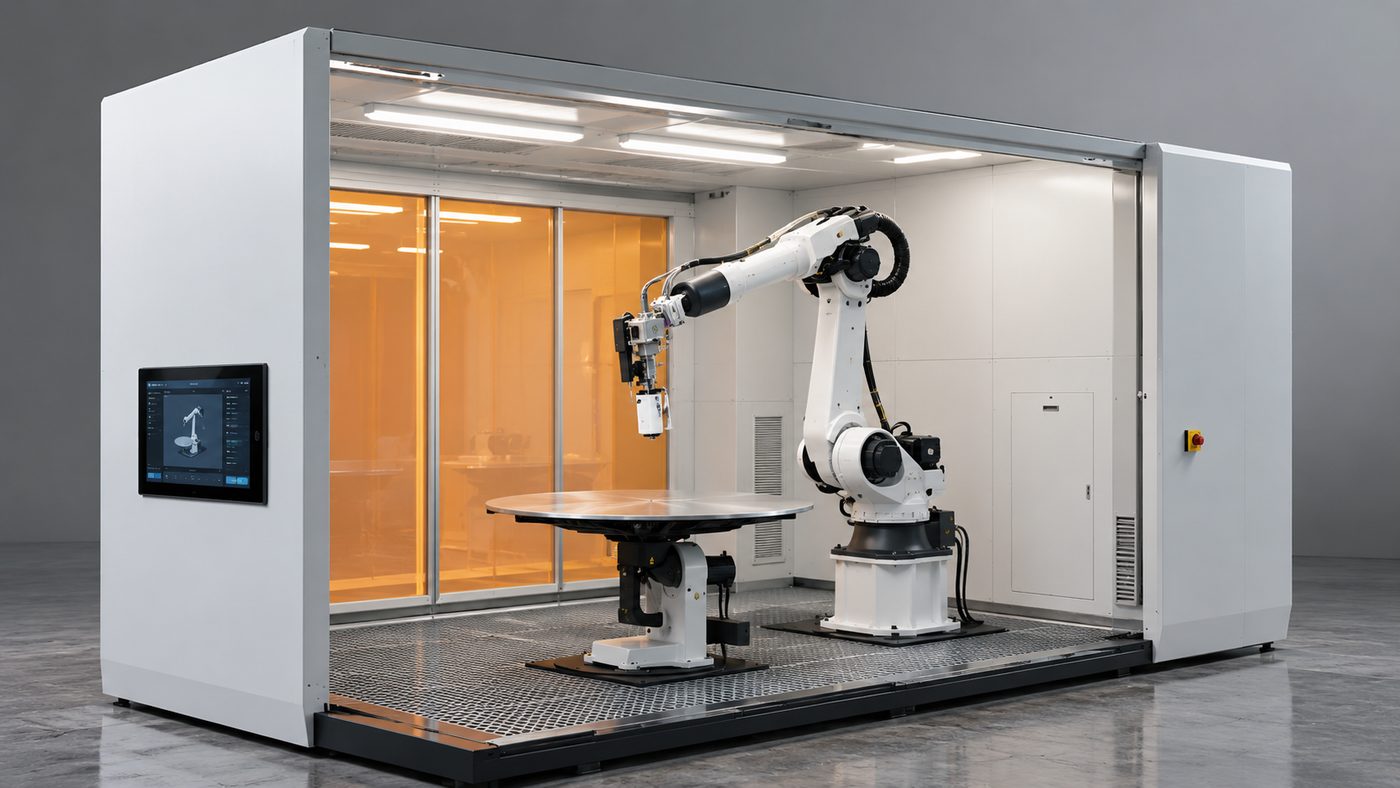
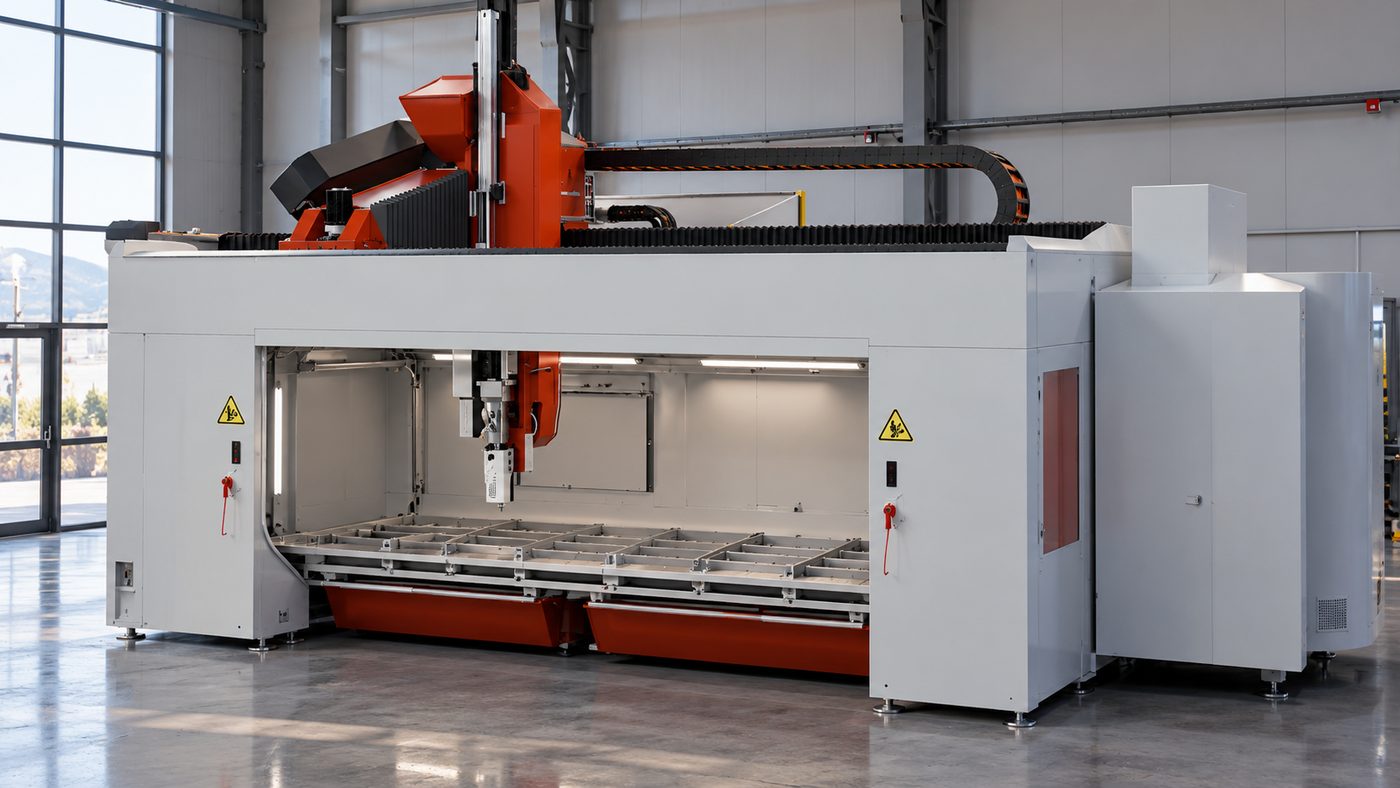
* Depending on the component or structure. ** Scrap and end-of-life parts can be shredded into new prints. SFM: Short Fibre Manufacturing · CFM: Continuous Fibre Manufacturing. Technology partners identified, agreements in progress. Technology and printing dimensions may change with technological progress. Images are illustrative representations.
Each step generates the data and references that unlock the next.

Furniture, consoles, air intakes and grilles, hatches, interior modules, tooling.

Hard-tops and T-tops, rollbars, garage doors, flybridge and cockpit modules.

Superstructures, hulls, deck structures, patrol boats, small to large USVs and UUVs.
USVs: Unmanned Surface Vehicles · UUVs: Unmanned Underwater Vehicles
Technology providers start from capability. Shipyards start from delivery risk. Water 7 connects the two: technology-agnostic, and owner of the customer interface.
| Criterion | Build in-house | Outsource to a laminator | Buy a printer | Water 7 |
|---|---|---|---|---|
| No mould needed | ✕ | ✕ | ✓ | ✓ |
| No capex for the yard | ✕ | ✕ | ✕ | ✓ |
| No technology risk for the yard | ✓ | ✓ | ✕ | ✓ |
| Finished, certifiable part | ✓ | ✓ | ✕ | ✓ |
| Design freedom | ✕ | ✕ | ✓ | ✓ |
We sell the finished part, not the printer.

Specialised agents connect CAD, FEM and DfAM under an orchestrator, and engineers approve every decision that matters. The agents learn from every part: design rules, process windows and costs become a proprietary database.
Machines can be bought; our data cannot.
The agentic workflow turns every part into proprietary manufacturing know-how.
A light, data-driven path, checked quickly on 3–5 real parts.
A part they can inspect and trust, with nothing new to house, staff or maintain.
Customisation that sells boats, without capex or technology risk on the yard.
Our comparison rule: same function, same final quality, same process boundary. We compare the finished, painted, deliverable part.
Marine engineering, certification and operations experience, plus a partner network that shortens industrial deployment.

Bring us a component, a geometry or a problem. We assess whether it can be built without a mould, and at what total cost.
Join the build-out of a moldless manufacturing platform for the marine industry.

Welcome aboard